- Free Consultation: (800) 265-0217 Tap Here To Call Us




Can You Appeal a Juvenile Dependency Decision in San Bernardino?


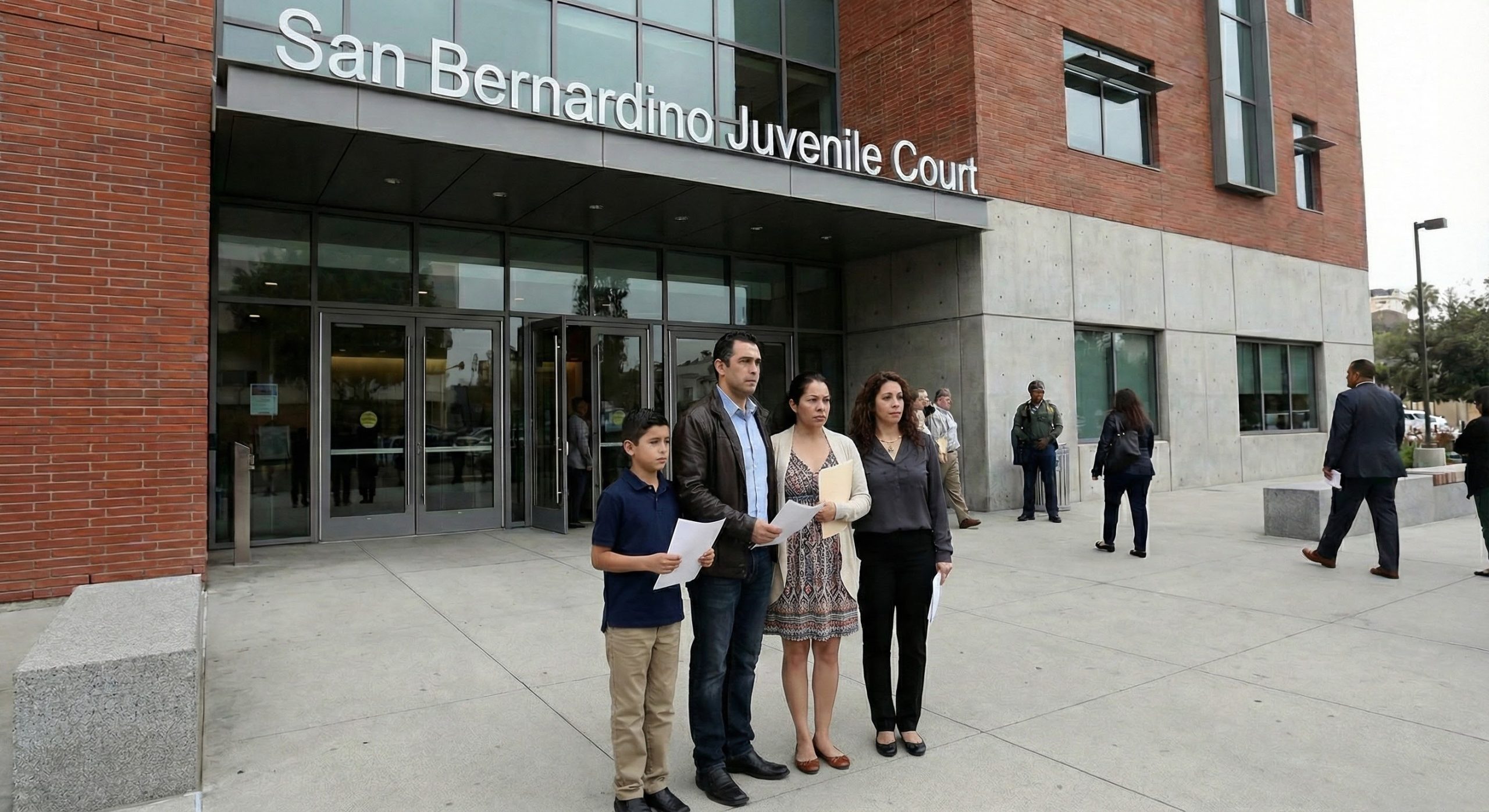
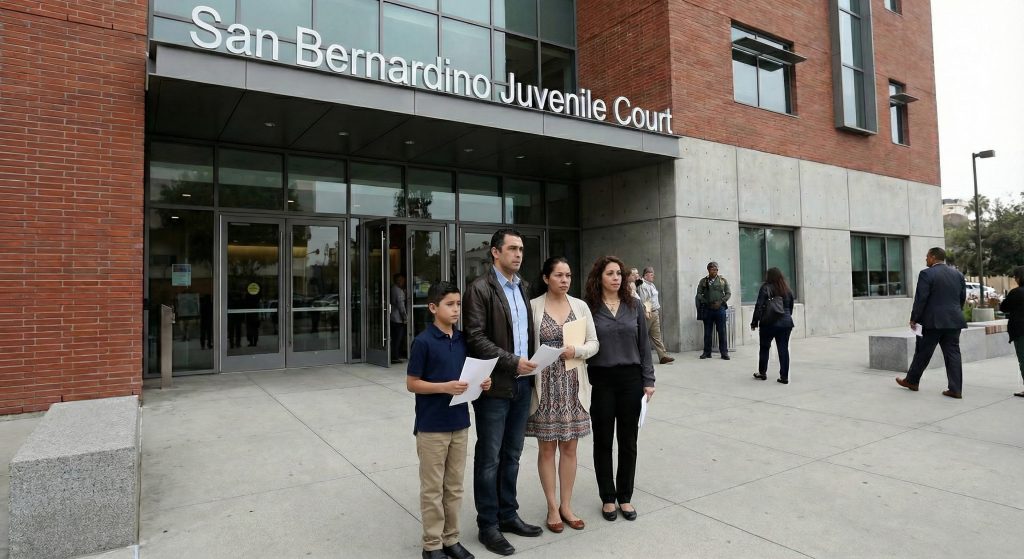
Your Rights Do Not End When the San Bernardino Dependency Court Rules — Here Is What Comes Next
When the San Bernardino County Juvenile Court issues a ruling that goes against you — whether that is a finding that your child is a dependent of the court, a denial of reunification services, or a termination of parental rights — it can feel like a final, crushing verdict with no way forward. But the dependency court is not the last word.
California law provides parents, children, and other parties in dependency cases with the right to challenge court decisions through the appellate process. If you are a parent in San Bernardino facing an adverse ruling, understanding when you can appeal, what deadlines apply, and what the appellate court can actually do is essential to protecting your rights.
The Right to Appeal in California Dependency Cases
California law grants parties in juvenile dependency proceedings a statutory right to appeal most final orders of the juvenile court. This right is established under California Rules of Court and the Welfare and Institutions Code. Parents, children through their counsel, and in some cases other parties such as de facto parents or legal guardians may file appeals depending on the ruling at issue and their standing in the case.
The California Court of Appeal reviews dependency appeals. Depending on the county in which the case was heard, the appeal from San Bernardino County will go to the appropriate Appellate District of the California Court of Appeal.
What Types of Dependency Orders Can Be Appealed in San Bernardino?
Not every ruling in a dependency case is immediately appealable. California courts distinguish between final orders, which are immediately appealable, and interim orders, which generally must be challenged at the time they are made and may require a writ rather than a standard appeal. Orders that are commonly appealed in California dependency cases include:
Jurisdictional findings sustaining a petition under Welfare and Institutions Code Section 300. Dispositional orders, including removal orders and case plan requirements. Orders denying or terminating reunification services. Findings at the 12-month or 18-month permanency review that family reunification is unlikely. Orders terminating parental rights at a .26 hearing. Orders selecting a permanent plan of adoption, guardianship, or long-term foster care.
The Critical Importance of Deadlines in San Bernardino Dependency Appeals
Dependency appeals are subject to extremely strict time limits that are unlike most other areas of civil law. The standard deadline to file a notice of appeal in a California dependency case is 60 days from the date the court issues its order. For orders terminating parental rights, the deadline may be even shorter in practical terms because post-termination proceedings can move quickly.
Missing the appeal deadline is almost always fatal to the appeal. Courts have very limited authority to excuse a late filing in dependency matters. This is why it is essential to consult with an attorney as soon as possible after receiving an adverse ruling at the San Bernardino County Juvenile Court. Time is the single most important factor in whether an appeal is viable.
Writ Petitions: The Alternative When a Ruling Is Not Directly Appealable
Some dependency orders cannot be directly appealed but must instead be challenged through a writ petition filed in the Court of Appeal. The most significant and most time-sensitive of these is the writ petition filed after a court sets a .26 hearing.
Under California Rules of Court, when a juvenile court terminates reunification services and sets a .26 hearing to select a permanent plan, a parent who wants to challenge that ruling must file a writ petition, not a standard appeal. The deadline for this writ petition is extremely short, typically just 30 days from the order setting the .26 hearing, and sometimes less depending on the specific circumstances. If this writ is not filed, the parent may be barred from challenging certain issues on a later appeal of the termination of parental rights order.
This procedural trap catches many parents in San Bernardino and the Inland Empire off guard and permanently forecloses arguments that might otherwise have succeeded on appeal. An experienced dependency attorney must advise clients about writ deadlines the moment a .26 hearing is set.
What Grounds Exist to Appeal a Dependency Decision?
The appellate court does not simply re-examine the evidence and decide whether it agrees with the juvenile court’s conclusions. Appellate review is deferential to the trial court on questions of fact. The Court of Appeal generally affirms factual findings that are supported by substantial evidence in the record, even if another factfinder might have reached a different conclusion.
Stronger grounds for appeal in dependency cases typically involve legal error, where the juvenile court applied the wrong legal standard or misinterpreted a statute. Constitutional violations, including due process errors in the conduct of hearings or inadequate notice. Insufficient evidence, where the record does not contain substantial evidence to support a critical finding. Ineffective assistance of counsel, where an attorney’s errors at the trial level prejudiced the outcome. Failure to comply with the Indian Child Welfare Act, which imposes strict procedural requirements when a child may have Native American heritage. Errors in the application of the beneficial parent-child relationship exception and other statutory exceptions to termination of parental rights.
What Can the Court of Appeal Actually Do?
When the Court of Appeal agrees that the juvenile court made a reversible error, it can reverse the order and remand the case back to the juvenile court with instructions. Depending on the nature of the error, remand may require the juvenile court to hold a new hearing, apply the correct legal standard, or make specific findings it failed to make the first time.
In some cases, particularly those involving ICWA compliance failures, the Court of Appeal issues a conditional reversal, allowing dependency proceedings to continue while the agency corrects the procedural deficiency. In other cases, a full reversal may result in reunification services being reinstated or other significant changes to the permanent plan for the child.
Contact ALL Trial Lawyers to Discuss Your San Bernardino Appeal Options
If you have received an adverse ruling in a dependency case in San Bernardino, do not wait to seek legal advice. The appellate deadlines in dependency law are unforgiving, and the sooner you consult with an experienced attorney, the better your options will be.
ALL Trial Lawyers has handled California dependency proceedings across San Bernardino and the Inland Empire, Orange County, Los Angeles, San Bernardino, Riverside, and throughout the state. Call us at (866) 811-4255 for a free consultation to discuss whether an appeal or writ petition may be available in your case. There are no attorney fees unless and until we recover results for you.
Contact Us
Fill out the contact form or call us at (866) 811-4255 to schedule your free consultation.


